India Gains Wider EU Steel Market Access but Carbon Costs Remain
By newsziffy Editorial Team
September 15, 2026 | Trade | India
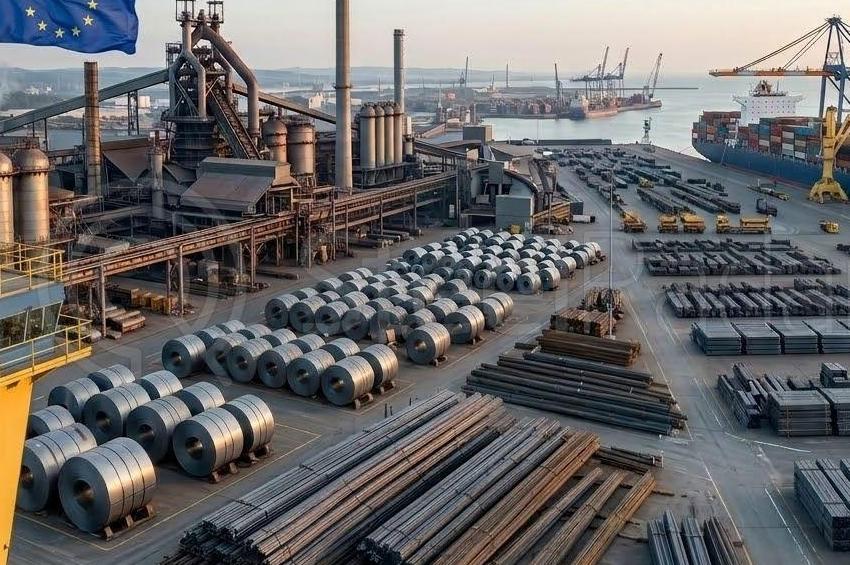
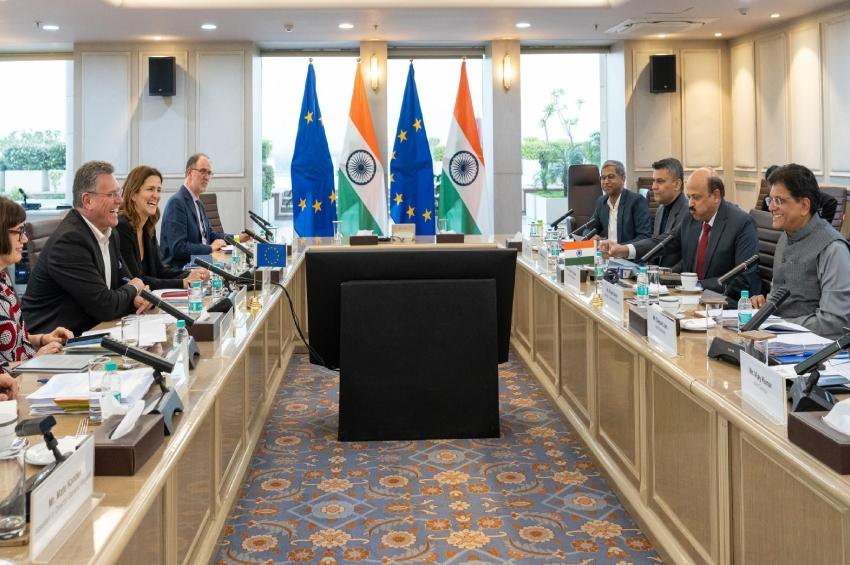
Indian steel exporters have gained improved access to the European Union market under the recently established India-EU trade agreement, but exporters will continue to face carbon-related costs when selling steel in Europe. Reuters reported that India will be able to export up to 1.64 million metric tons of steel annually to the EU under the new arrangement.
The development is significant for India's steel industry, which has been seeking greater access to international markets. The European market offers opportunities for Indian manufacturers, but environmental regulations are becoming an increasingly important part of international trade.
The EU's carbon-related trade measures are designed to account for emissions associated with certain imported industrial products. Steel is among the sectors most affected because manufacturing the material can involve significant carbon emissions.
For Indian companies, the combination of greater market access and environmental compliance requirements creates both an opportunity and a challenge. Exporters could potentially increase sales in Europe, but they may also need to invest in cleaner production technologies and improve the tracking of emissions throughout their manufacturing processes.
The issue is part of a wider transformation in global trade. Countries are increasingly linking trade policy with climate objectives, meaning manufacturers may need to consider both traditional issues such as tariffs and newer requirements involving carbon intensity and sustainability.
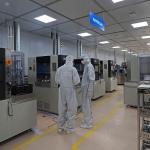
India's steel producers have already been exploring technologies designed to reduce emissions. Greater investment in energy efficiency, renewable electricity, recycling and cleaner production could become increasingly important for companies competing in environmentally regulated markets.
Trade Outlook
The expansion of India's potential steel exports to Europe could provide a valuable opportunity for the domestic steel industry. However, the final economic benefit will depend on production costs, international steel prices, carbon compliance expenses and the ability of companies to meet European environmental requirements.
For India's broader manufacturing sector, the development is another indication that future export competitiveness will increasingly depend on both price and environmental performance.
Source: Reuters
Hashtags: #IndiaTrade #SteelIndustry #EUIndiaTrade #SteelExports #Manufacturing #BusinessNews #TradeNews #newsziffy