China and India May See LNG Demand Recover After Middle East Conflict Eases
By newsziffy Editorial Team
September 15, 2026 | World | Trade
Liquefied natural gas demand in India and China could recover once the current Middle East conflict eases and international gas prices become more stable, according to industry executives quoted by Reuters. The conflict has disrupted LNG supplies and significantly increased prices in Asian markets.
The Strait of Hormuz is a major route for global energy shipments, and disruptions in the region have affected LNG exports from countries including Qatar and the United Arab Emirates. The resulting supply constraints have pushed Asian spot LNG prices sharply higher.
High LNG prices can influence electricity generation, industrial production and fertiliser manufacturing. Price-sensitive consumers in India and China have therefore been looking at alternative fuels while waiting for international gas markets to stabilise.
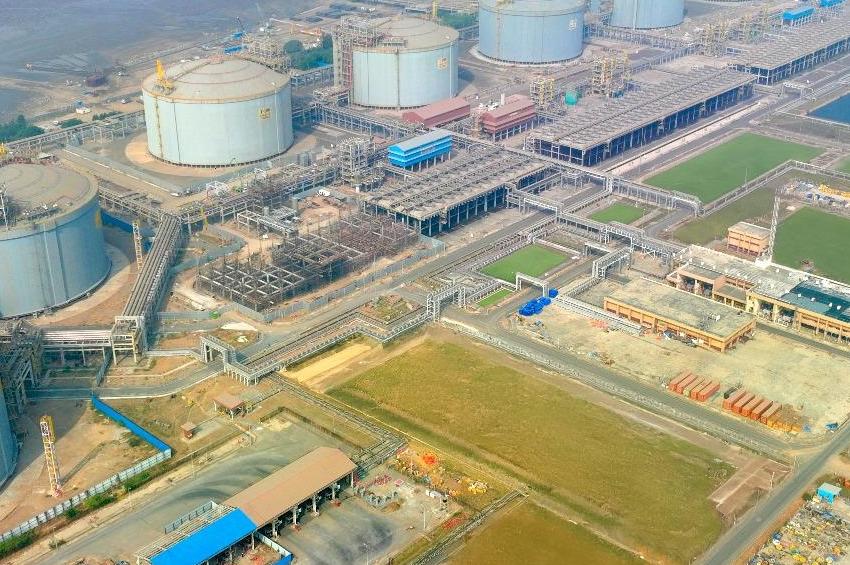
India has invested significantly in LNG infrastructure and natural-gas distribution. Natural gas is used by industries, power producers, fertiliser manufacturers and city-gas networks. A prolonged period of expensive LNG can therefore affect multiple parts of the economy.
Industry executives expect the current reduction in demand to be temporary rather than a permanent shift away from natural gas. As new LNG production capacity becomes available globally and geopolitical conditions improve, buyers could return to the market.
Energy Outlook
The current LNG situation demonstrates how geopolitical developments can quickly influence energy prices far beyond the countries directly involved in a conflict.
For India, a stable LNG market could support industrial activity and help industries transition toward cleaner fuels. However, energy security will also depend on diversified supply sources, domestic production and investment in renewable-energy alternatives.
Source: Reuters
Hashtags: #LNG #NaturalGas #IndiaEnergy #EnergySecurity #China #GlobalEnergy #BusinessNews #newsziffy