TRADE

Wholesale Inflation Rises to 9.92% in August

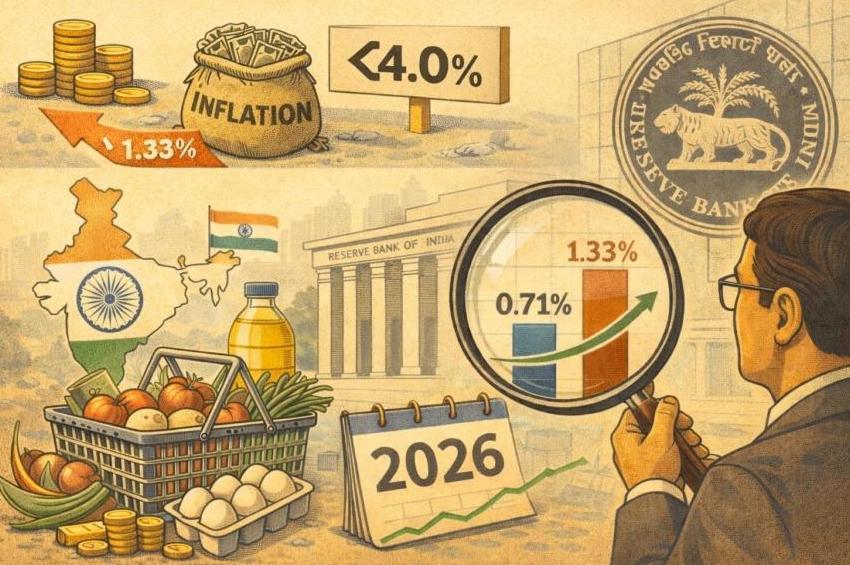
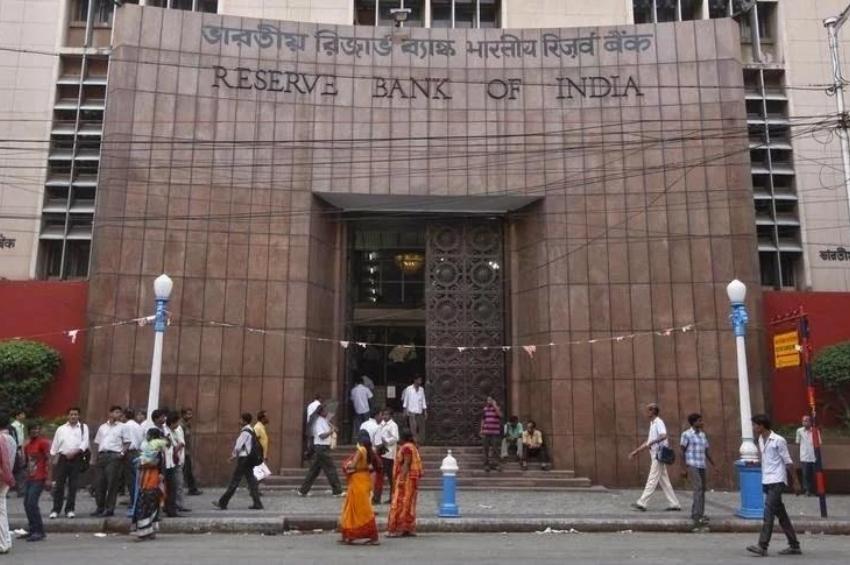
India's Wholesale Price Index-based inflation increased to 9.92% in August 2026, compared with 9.78% in July, according to provisional data.

Wholesale inflation tracks price movements at the producer and bulk-trade level and can provide an indication of cost pressures affecting businesses. The latest increase comes amid continued movements in food, fuel and manufactured-product prices.

The figures will be watched closely by businesses, policymakers and economists because changes in wholesale prices can influence production costs and, depending on how they evolve, consumer prices further along the supply chain.

Hashtags: #IndianEconomy #Inflation #WPI #BusinessNews #IndiaEconomy #Markets #EconomicNews #NewzZiffy
TRADE

Stocks to Watch: Several Indian Companies in Focus on September 16

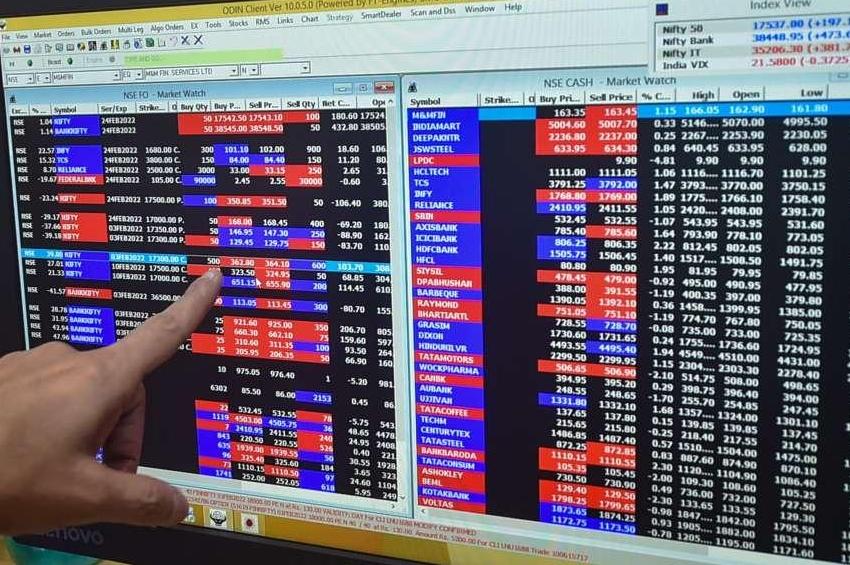
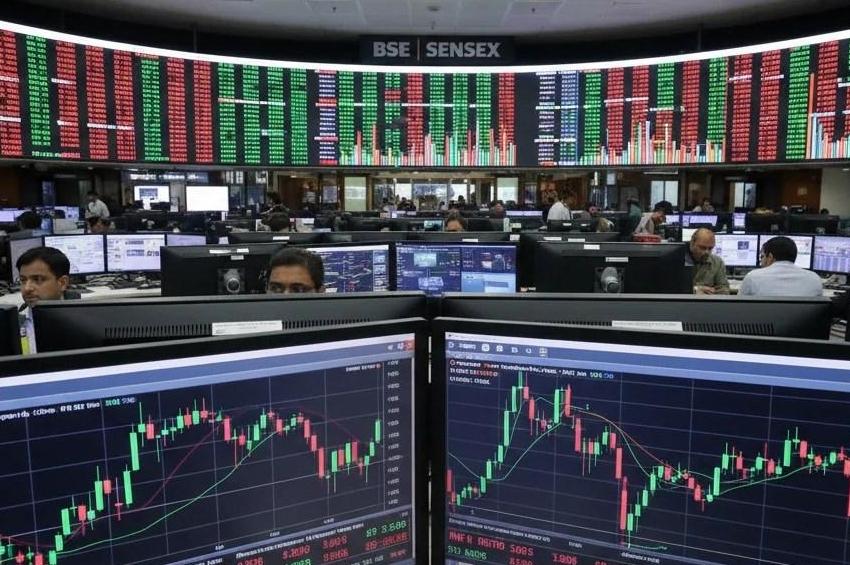
Indian stock-market participants are tracking several companies on September 16 following corporate announcements and developments.

Companies including Groww, Saatvik Green Energy, Sonata Software, Bharat Heavy Electricals, Titagarh Rail Systems, NBCC India, India Pesticides, Blue Star and Tata Communications are among those highlighted in market-watch lists for the day.

The developments involve different areas, including corporate announcements, orders, business developments and sector-specific news. Investors often monitor such announcements because they can influence trading activity and market sentiment.

However, a company appearing on a "stocks to watch" list does not necessarily mean its share price will rise or fall. Market movements can be influenced by broader factors such as global markets, interest rates, currency movements, company earnings and investor sentiment.

For NewsZiffy readers, the article can provide a concise overview while reminding readers that market information should not be treated as investment advice.

Hashtags: #StockMarket #IndianStocks #BusinessNews #NSE #BSE #Trade
TRADE

India Gains Wider EU Steel Market Access but Carbon Costs Remain

India Gains Wider EU Steel Market Access but Carbon Costs Remain

By newsziffy Editorial Team
September 15, 2026 | Trade | India

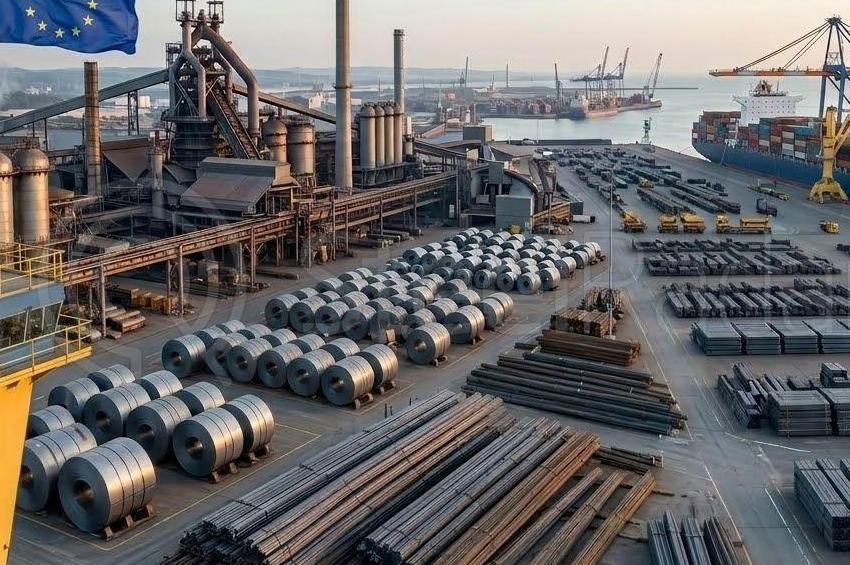
Indian steel exporters have gained improved access to the European Union market under the recently established India-EU trade agreement, but exporters will continue to face carbon-related costs when selling steel in Europe. Reuters reported that India will be able to export up to 1.64 million metric tons of steel annually to the EU under the new arrangement.

The development is significant for India's steel industry, which has been seeking greater access to international markets. The European market offers opportunities for Indian manufacturers, but environmental regulations are becoming an increasingly important part of international trade.

The EU's carbon-related trade measures are designed to account for emissions associated with certain imported industrial products. Steel is among the sectors most affected because manufacturing the material can involve significant carbon emissions.

For Indian companies, the combination of greater market access and environmental compliance requirements creates both an opportunity and a challenge. Exporters could potentially increase sales in Europe, but they may also need to invest in cleaner production technologies and improve the tracking of emissions throughout their manufacturing processes.

The issue is part of a wider transformation in global trade. Countries are increasingly linking trade policy with climate objectives, meaning manufacturers may need to consider both traditional issues such as tariffs and newer requirements involving carbon intensity and sustainability.

India's steel producers have already been exploring technologies designed to reduce emissions. Greater investment in energy efficiency, renewable electricity, recycling and cleaner production could become increasingly important for companies competing in environmentally regulated markets.

Trade Outlook

The expansion of India's potential steel exports to Europe could provide a valuable opportunity for the domestic steel industry. However, the final economic benefit will depend on production costs, international steel prices, carbon compliance expenses and the ability of companies to meet European environmental requirements.

For India's broader manufacturing sector, the development is another indication that future export competitiveness will increasingly depend on both price and environmental performance.

Source: Reuters
Hashtags: #IndiaTrade #SteelIndustry #EUIndiaTrade #SteelExports #Manufacturing #BusinessNews #TradeNews #newsziffy

TRADE

US Finalises Higher Duties on Solar Imports From India

US Finalises Higher Duties on Solar Imports From India

By newsziffy Editorial Team
September 14, 2026 | Trade

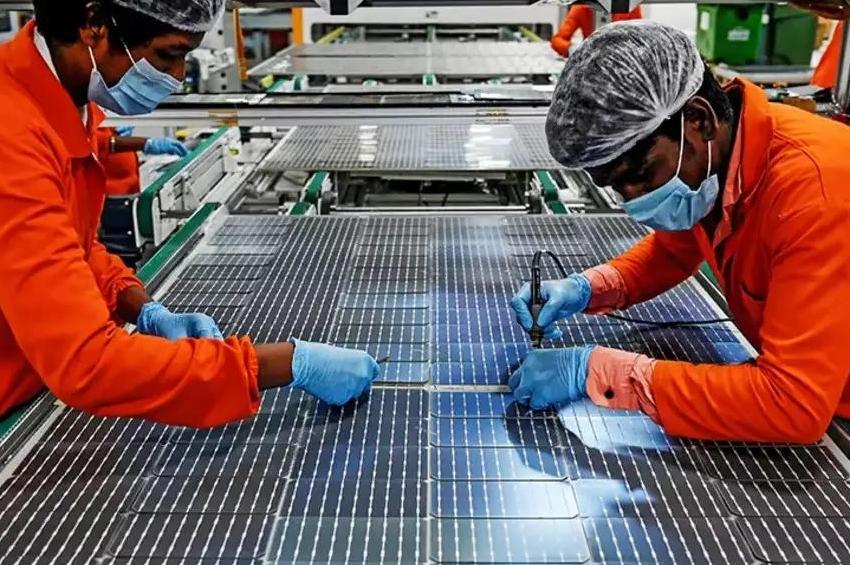
The United States has finalised steep duties on imports of solar cells and panels from India, Indonesia and Laos, adding another trade challenge for solar manufacturers and exporters. The US Commerce Department announced the measures as part of its trade actions affecting imported solar products.

Solar equipment has become an increasingly important component of India's renewable-energy ambitions. India has expanded domestic solar manufacturing capacity while also seeking to increase exports of clean-energy products.

Higher duties in a major export market could affect the competitiveness of Indian manufacturers. Companies may need to evaluate pricing, supply chains and production strategies as they respond to the new trade environment.

The development also highlights the wider global competition surrounding clean-energy manufacturing. Countries are increasingly supporting domestic production of solar panels, batteries and other renewable-energy technologies, creating both opportunities and trade tensions.

For Indian manufacturers, the long-term strategy may involve greater domestic value addition, technological investment and diversification into different international markets.

Trade Impact

The latest US measures demonstrate how renewable-energy trade is increasingly influenced by industrial policy and international competition. Indian companies and policymakers will be watching the implementation of the duties and their effect on export volumes and investment decisions.

Source: Reuters

Hashtags: #IndiaTrade #SolarEnergy #SolarPanels #USIndiaTrade #RenewableEnergy #BusinessNews #newsziffy

TRADE

BRICS Declaration Calls for Greater Cooperation on Energy and Trade Rules

BRICS Declaration Highlights Energy Security and Trade Concerns

By newsziffy Editorial Team
September 13, 2026 | World / Trade

Energy security and international trade have emerged as important themes in the New Delhi Declaration issued during the 18th BRICS Summit. The declaration describes energy security as important for economic development, national security and the welfare of countries.

The declaration also takes a position against carbon border taxes and similar trade measures. Such policies have become an increasingly important issue in international commerce as countries attempt to reduce greenhouse-gas emissions while protecting domestic industries.

Carbon border measures can affect exporters when imported products are subjected to additional costs based on their estimated carbon content. Supporters argue that such mechanisms can prevent companies from moving production to countries with weaker environmental standards. Critics, however, have raised concerns that they could become another form of trade barrier.

For emerging economies, the issue is particularly important because manufacturing and exports remain central to economic development. Countries such as India have argued that climate policies should take into account differences in development levels and historical contributions to global emissions.

The energy discussion also reflects the continuing importance of conventional fuels in the global economy. While renewable energy investment is increasing, many countries continue to depend on oil, gas and coal for transportation, industry and electricity.

newsziffy Trade Perspective

The debate illustrates the growing connection between climate policy and international trade. Environmental regulations can influence the competitiveness of exporters, manufacturing costs and investment decisions, making climate policy an important business issue as well as an environmental one.

Source: Indian Express / New Delhi Declaration
TRADE

RBI Plans ₹1 Trillion Government Bond Sale to Absorb Excess Liquidity

RBI Announces ₹1 Trillion Bond Sale to Manage Excess Liquidity

By newsziffy Editorial Team
September 12, 2026 | India / Trade

The Reserve Bank of India has announced plans to sell government bonds worth a combined ₹1 trillion over the coming weeks as it moves to absorb excess liquidity from the banking system. The operation is scheduled to begin from September 16.

According to the RBI's schedule, the first major tranche will involve government securities worth ₹500 billion, followed by two additional sales of ₹250 billion each. The move comes after the banking system accumulated a large amount of surplus cash.

The liquidity situation has been influenced by a special foreign-exchange mobilisation programme that attracted significant funds from banks. Reuters reported that the scheme brought around $127 billion into the system, contributing to a substantial increase in the RBI's foreign-exchange reserves.

The central bank's objective is to keep short-term interest rates and financial conditions aligned with its monetary-policy framework. Excess liquidity can push overnight market rates lower, while a large and persistent surplus can complicate monetary-policy transmission.

RBI Governor Sanjay Malhotra has indicated that the central bank has several instruments available to manage liquidity, including open-market operations and foreign-exchange swaps. The latest bond-sale programme demonstrates that the RBI is prepared to use market-based tools when necessary.

For ordinary borrowers and investors, the impact will depend on how the bond sales influence market yields and broader financial conditions. Banks, government bond investors and institutional participants will closely monitor the auctions.

newsziffy Explains

An open-market bond sale means the central bank sells government securities to financial institutions. Buyers pay the RBI, thereby reducing the amount of cash circulating in the banking system. It is one of the tools central banks can use to manage liquidity.

Source: Reuters
TRADE

India–EU Trade Deal Moves Closer to Final Approval

India–EU Trade Deal Moves Closer to Final Approval

By newsziffy Editorial Team
September 12, 2026 | Trade

India and the European Union have moved closer to completing a major trade agreement, with the European Commission forwarding its proposal for the conclusion of the deal. The agreement now awaits the formal approval process within the European Union, marking an important stage in negotiations between India and the 27-member bloc.

The proposed agreement is expected to strengthen economic ties between India and Europe by improving market access, reducing selected trade barriers and creating greater opportunities for businesses on both sides. The negotiations have been closely watched because of the size of the two markets and the potential impact on manufacturing, services, investment and exports.

For Indian businesses, improved access to European markets could create opportunities in sectors ranging from engineering products and textiles to pharmaceuticals, information technology and other services. European companies, meanwhile, could gain improved access to India's expanding consumer and industrial markets.

The agreement also comes at a time when global trade is undergoing major changes. Businesses are dealing with tariff uncertainty, geopolitical tensions and supply-chain disruptions. A stronger India-EU economic relationship could therefore become an important part of both sides' efforts to diversify international trade partnerships.

The next stage will involve the EU's formal approval process. Once the necessary procedures are completed, the agreement could provide a clearer framework for companies planning long-term trade and investment decisions.

newsziffy Trade Note

Trade agreements do more than reduce tariffs. They can also influence investment decisions, supply chains, standards, professional services and the movement of goods between markets. The India-EU agreement is therefore significant beyond individual tariff reductions.

Source: Indian Express; European Commission
TRADE

India Pushes for More Predictable Global Trade Environment

India Pushes for Stable and Predictable Trade Environment at BRICS Forum

By newsziffy Editorial Team
September 12, 2026 | TRADE

India has called for a more stable, transparent and predictable environment for international trade and investment during discussions at the BRICS Business Forum.

The message comes at a time when businesses worldwide are dealing with disruptions caused by geopolitical tensions, changing trade policies and uncertainty in international shipping.

A predictable trading environment is particularly important for businesses involved in manufacturing, exports, imports and international investment. Sudden changes in tariffs, transportation costs or regulations can affect business planning and consumer prices.

Opportunities for BRICS Economies

India has been encouraging BRICS countries to increase cooperation in trade and investment. Greater economic integration among member countries could potentially create new opportunities for exporters and businesses.

The BRICS Business Forum has also highlighted India's growing role in discussions about global economic cooperation.

Prime Minister Modi has emphasised reducing barriers to trade and creating more opportunities for businesses.

Newsziffy Business Note

For Indian businesses, developments within BRICS could be relevant to future export opportunities, investment flows and access to international markets.

Source: Hindustan Times and BRICS Business Forum coverage.

Hashtags: #BusinessNews #Trade #BRICS #IndianEconomy #Exports #Investment #newsziffy
TRADE

Indian Stock Markets End Fifth Consecutive Week in Decline

Indian Stock Markets End Fifth Consecutive Week in Decline as Oil Concerns Grow

By newsziffy Editorial Team
Published: September 12, 2026 | TRADE

Indian equity markets recorded their fifth consecutive weekly decline as rising crude oil prices and concerns about global inflation affected investor sentiment.

The Nifty 50 and BSE Sensex both declined during the week, while broader market segments also faced pressure. Rising energy prices have increased concerns that inflation could remain elevated and potentially influence interest-rate decisions in major economies.

For India, higher crude oil prices are particularly significant because the country imports a large share of its energy requirements. A prolonged increase in oil prices can raise transportation and business costs and may also affect inflation expectations.

What Investors Are Watching

Markets are likely to continue monitoring crude oil prices, developments in the Middle East and signals from major central banks.

Source: Reuters market report

Hashtags: #StockMarket #Sensex #Nifty #IndianEconomy #OilPrices #BusinessNews #newsziffy

TRADE

Rupee Falls to ₹95.44 Against US Dollar

Rupee Falls to ₹95.44 Against US Dollar

By NewzZiffy Editorial Team
September 11, 2026 | TRADE

The Indian rupee weakened further on Thursday, closing at around ₹95.44 against the U.S. dollar. It was the currency's third consecutive session of decline as higher crude oil prices and increased demand for dollars put pressure on the domestic currency.

The rise in oil prices is particularly important for India because higher import costs can increase the country's demand for foreign currency. Companies also increased dollar purchases for hedging and other business requirements.

State-run banks were reported to have sold dollars, likely on behalf of the Reserve Bank of India, in an effort to limit excessive volatility. The RBI also continued dollar-rupee sell/buy swap operations as it managed liquidity conditions in the financial system.

A weaker rupee can benefit some exporters because their overseas earnings may translate into more rupees. However, import-dependent sectors can face higher costs, particularly when international commodity prices are already rising.

NewzZiffy Explains:
Currency movements affect different sectors differently. Exporters may benefit from a weaker rupee, while importers, airlines, energy companies and businesses dependent on foreign equipment can face higher costs.

Source: Reuters

Hashtags: #Rupee #Dollar #IndianEconomy #Forex #Trade #BusinessNews #NewzZiffy